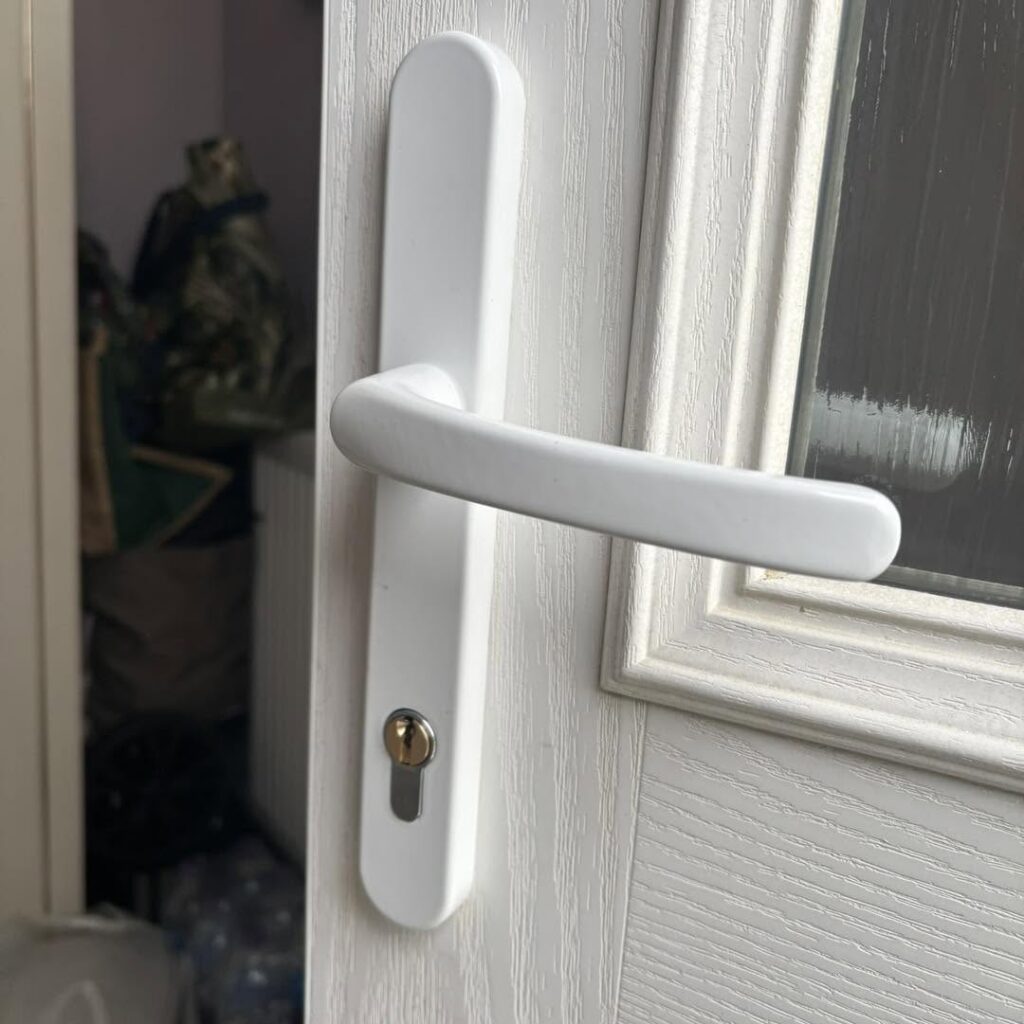
Handle and cylinder upgrade in Worthing 
Looking to give your door a fresh, new look? A new handle and cylinder can make all the difference!
Get in touch with us at Meredith locksmiths on the below!
 07873 863061
 meredithlocksmiths@gmail.com
Handle and cylinder upgrade in Worthing
Looking to give your door a fresh, new look? A new handle and cylinder can make all the difference!
Get in touch with us at Meredith locksmiths on the below!
07873 863061
meredithlocksmiths@gmail.com
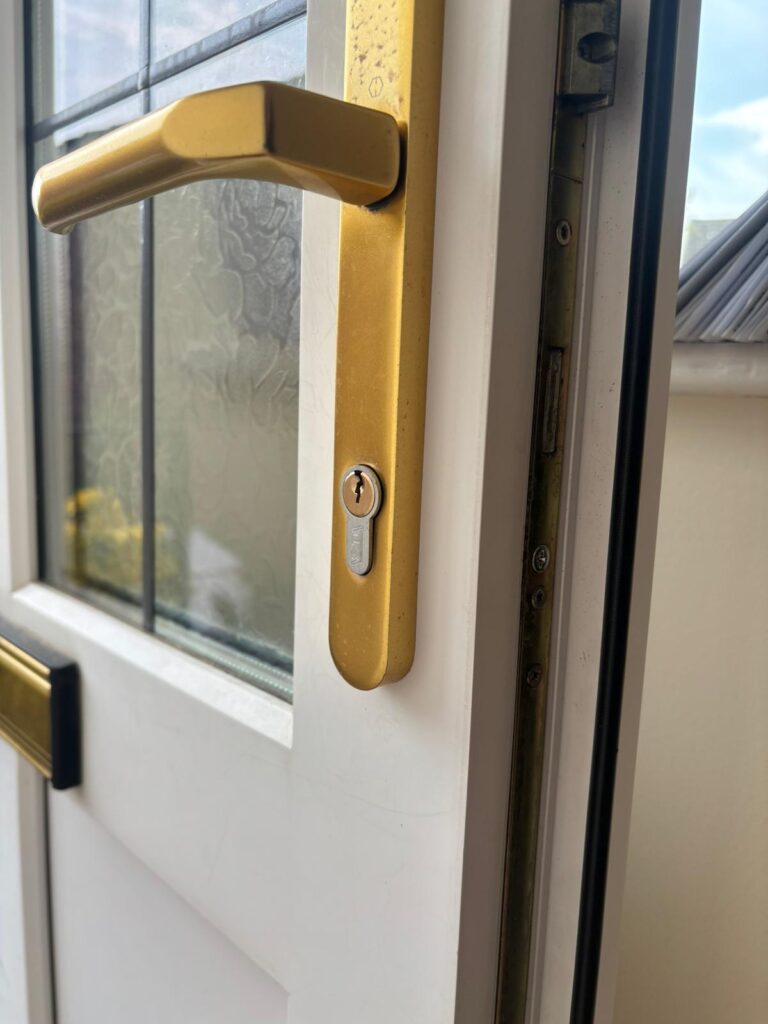
Keeping your home secure doesn’t always mean spending money on expensive security systems. A few simple changes can help reduce the risk of burglary and make your property more secure.
As a locksmith, there are several things worth checking around your home to ensure your doors, locks and windows are doing their job properly.
Your locks are one of the most important parts of your home’s security. Check that your doors lock securely and that the keys turn smoothly without sticking.
If a lock is loose, damaged or difficult to operate, get it checked before it fails completely. A faulty lock can leave your property vulnerable or cause problems when you need to secure your home quickly.
A good lock is only part of the equation. The door, frame and surrounding hardware also need to be in good condition.
Look for loose hinges, damaged frames, loose handles or signs of wear around the locking points. If your door doesn’t close properly, the locking mechanism may not engage as it should.
Hiding a spare key under a doormat, in a plant pot or on a windowsill is risky because these are obvious places for someone to look.
If you need to leave a spare key, consider giving it to a trusted friend, family member or neighbour instead.
It’s easy to concentrate on the front door and overlook other ways into the property.
Check that ground-floor windows, rear doors, side entrances and accessible outbuildings are properly secured. Before leaving home or going to bed, make sure windows and doors are closed and locked where appropriate.
Over time, spare keys can end up with former tenants, previous owners, contractors or other people who no longer need access to your property.
If you’ve moved into a new home or are unsure who has copies of your keys, consider changing or rekeying the relevant locks. A locksmith can advise on the most suitable option for your existing hardware.
Good outdoor lighting can help make entrances more visible and make it easier to notice unexpected activity around your property.
Keep entrances and pathways clear of excessive overgrown vegetation, and consider motion-activated lighting around vulnerable access points.
Not every lock is suitable for every door. The right choice depends on the type of door, its condition and the level of security required.
If you’re considering upgrading your locks, a professional locksmith can assess your existing setup and recommend suitable options. For external doors, look for products that meet recognised security standards and check whether your insurer has any specific requirements.
If you’re unsure whether your locks provide adequate security, a locksmith can inspect your doors and locking mechanisms and identify any potential weaknesses.
It’s particularly worth getting advice if you’ve recently moved house, experienced an attempted break-in, noticed damage to a lock or want to upgrade older hardware.
Need advice about your home security?
Meredith Locksmiths can help you assess your existing locks and discuss suitable options for improving your home’s security. Get in touch to discuss your requirements.
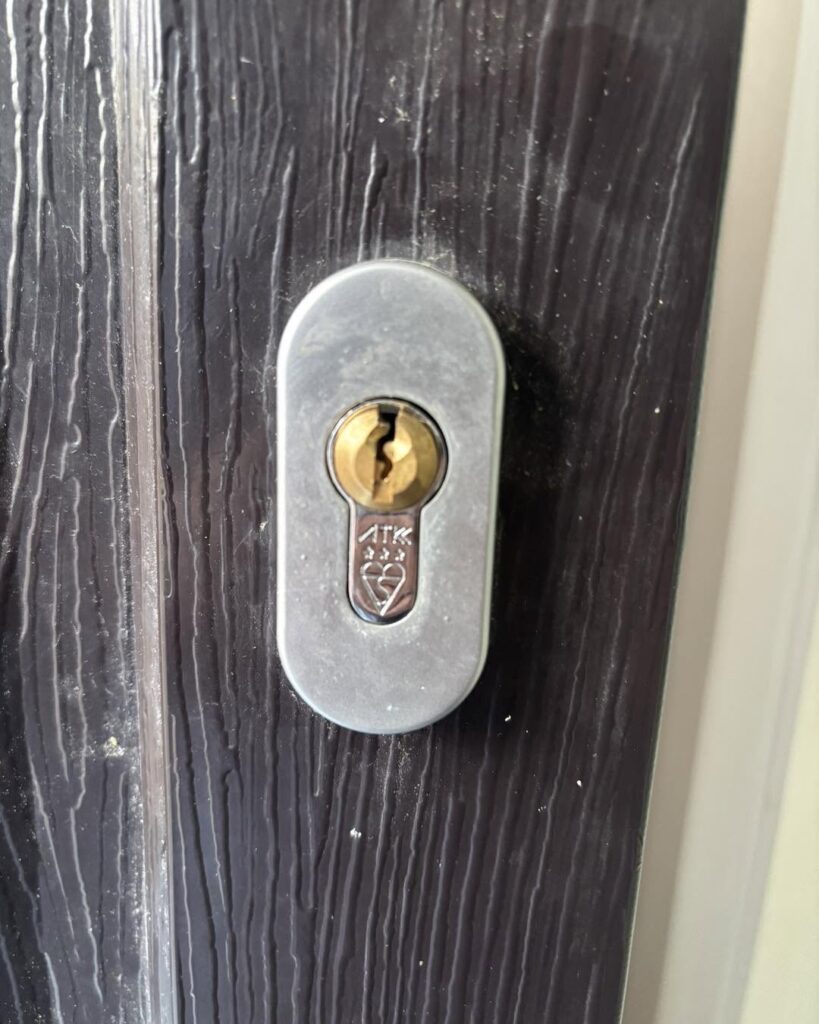
A lovely upgraded addition to this door in Peacehaven 
If there’s one thing worth being diligent about, it’s your home’s security!
Call, text or email Meredith locksmiths on the below 
07873 863061
meredithlocksmiths@gmail.com
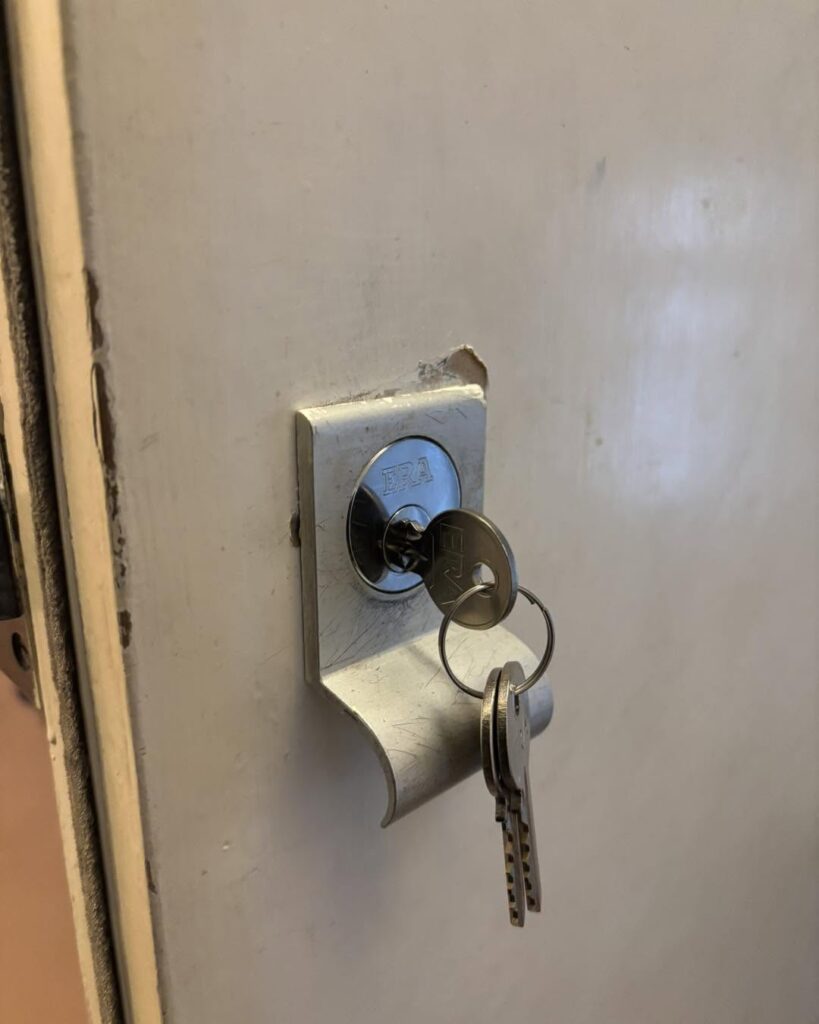
Old and knackered  New and secure


If you can see your locks becoming old, tired, loose or just on the verge of completely giving out then Meredith locksmiths can help!
Get in touch with us today on the below
07873 863061
meredithlocksmiths@gmail.com
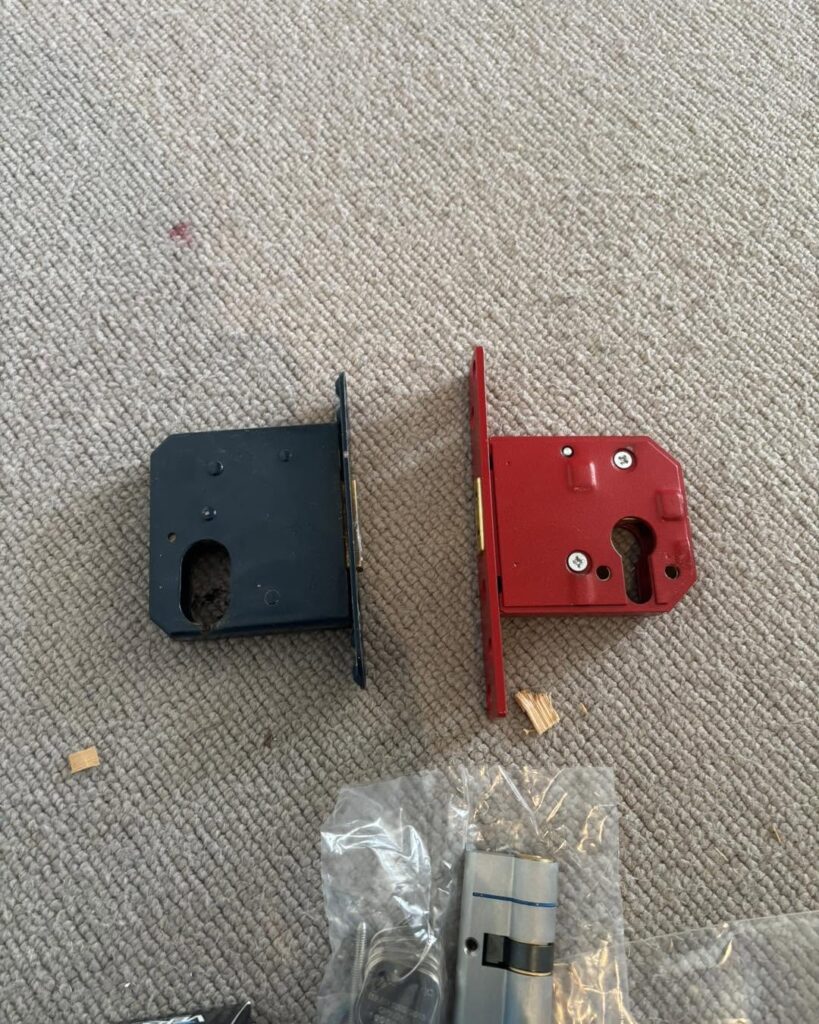
This customer needed 2x Euro deadlocks installed with Thumbturn cylinders in order to comply with their building regs.
If you live in a block of flats, this one is definitely for you! Having a quick and easy way to exit your flat is so important in the event of a fire. 
Euro mortice locks with an internal thumbturn allow you to unlock your door without needing a key. This means no searching around for keys or wasting valuable seconds when every second counts.
Fire safety is something that should never be overlooked, and having the correct locking system in place can help ensure a safe and speedy escape when it matters most 
Call, text or email Meredith locksmiths on the below
07873 863061
meredithlocksmiths@gmail.com
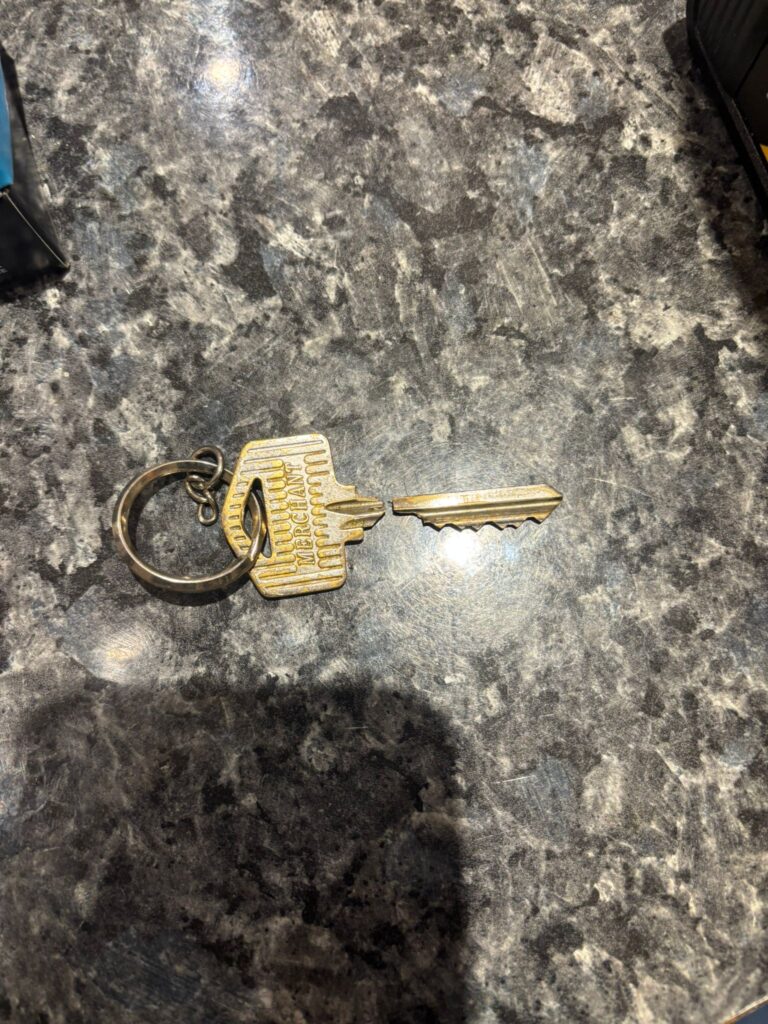
Before changing your locks, check the places you have recently visited and contact any businesses or transport services where you may have left your keys.
If you have a spare key with a trusted person, you may be able to get into your home while you decide what to do next.
If your keys were lost alongside something containing your name or address, such as a wallet, driving licence or paperwork, there is a greater security risk.
In this situation, it may be sensible to have the locks changed as soon as possible.
Even if you believe your keys were simply dropped, you cannot know who may have found them.
If you are concerned that someone could use the keys to access your property, replacing the lock can give you peace of mind.
If you still have a spare key, you may not need a replacement lock simply because one key has been lost.
However, if you are concerned that the lost key could be used to enter your property, a locksmith can replace or rekey the appropriate lock.
The best option depends on the type of lock installed and your individual circumstances.
If you have lost your keys and are unable to get into your property, a locksmith can help you regain entry and assess the lock.
If security is your concern, explain what has happened so the locksmith can advise whether the lock should be replaced or rekeyed.
Once the situation has been resolved, consider keeping a spare key with someone you trust to make future lockouts less stressful.
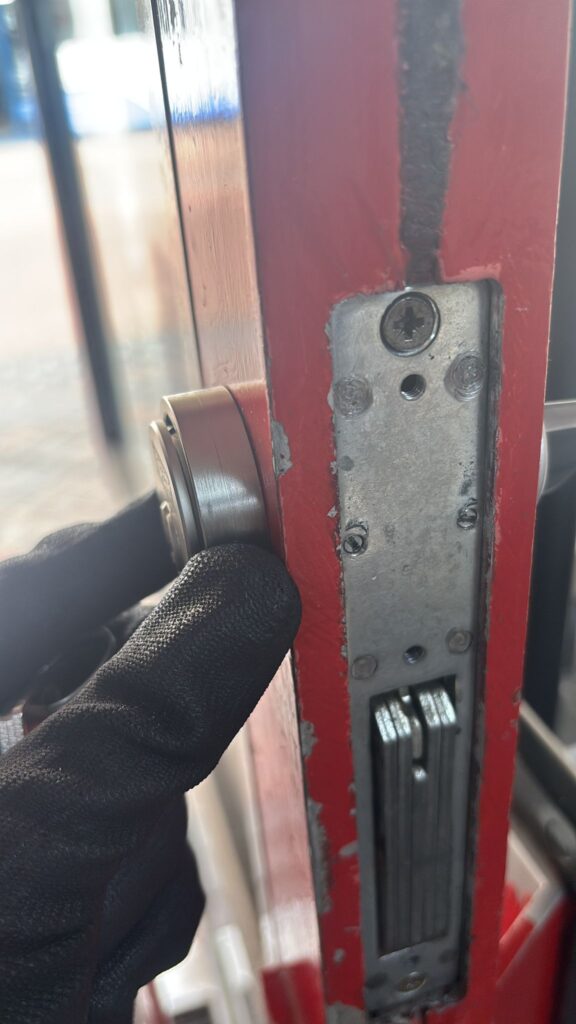
Door locks can become worn over time, and a faulty lock can eventually leave you unable to secure your property properly. Knowing the warning signs can help you deal with a problem before the lock fails completely.
If your key is becoming increasingly difficult to turn, don’t ignore it. The problem could be caused by wear inside the lock, a damaged key or the door and frame being misaligned.
Avoid forcing the key, as excessive pressure can cause it to snap inside the lock.
A lock that regularly sticks or requires several attempts to operate may be reaching the end of its useful life.
It is worth having the lock checked, particularly if the problem is getting worse.
Your key should normally enter and operate the lock smoothly. If it feels unusually loose, catches inside the lock or needs to be moved around to operate the mechanism, there could be an issue with the cylinder or internal mechanism.
Visible damage to the lock, cylinder or surrounding door hardware can affect the security of the property.
Following an attempted break-in, it is particularly important to have the lock and door checked for damage.
If you have recently moved house, changing the locks can be a sensible security measure.
You cannot always know who may still have copies of the previous keys. Replacing the locks means you have control over who has keys to your property.
Not necessarily. Depending on the type of lock and the problem, a locksmith may be able to repair or replace an individual component rather than replacing the entire locking system.
A locksmith can inspect the lock and recommend the most appropriate option.
If your lock is sticking, damaged or becoming difficult to operate, getting it checked before it fails completely can help prevent an emergency lockout.
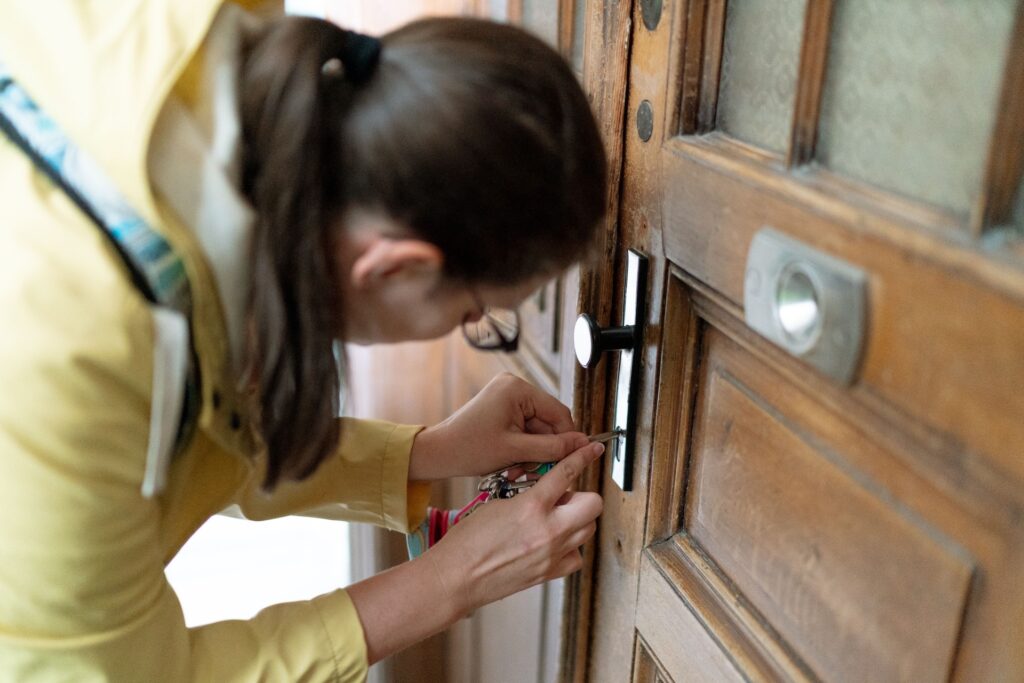
Being locked out of your home can be stressful, particularly if you are standing outside with no way to get back in. Before forcing the door or attempting to break a window, there are a few things you can try.
If you have a back door, side entrance or another accessible entrance, check whether it has been left unlocked. You may also have a spare key with a trusted family member, friend or neighbour.
Avoid attempting to climb through windows or over gates, as this can result in injury or damage to your property.
If you have your keys with you but the door will not open, check that you are using the correct key and that it is not damaged or bent.
A key that suddenly stops working can sometimes indicate a problem with the lock itself. Avoid repeatedly forcing the key, as it could snap inside the lock.
Trying to force a locked door can cause unnecessary damage to the door, frame or locking mechanism. In many cases, a locksmith can gain entry without causing significant damage.
This can also save you the cost of repairing a damaged door or replacing a lock unnecessarily.
If you have no safe way of getting into the property, a professional locksmith can help you regain entry and assess the lock if there is an underlying problem.
A locksmith may also be able to help if:
If you are locked out, contact a professional locksmith for advice before attempting to force your way into the property.
If the lock has failed or your keys have been lost, it is worth considering whether the lock needs repairing or replacing. A locksmith can check the existing lock and recommend the most suitable solution.
If you have lost keys that could be used to access your property, replacing or rekeying the lock may also provide additional peace of mind.
Get in touch with us for any locksmith needs or inquiries.
Email: meredithlocksmiths@gmail.com
Telephone: +44 7873 863061
Find us on: Checkatrade


 07873 863061